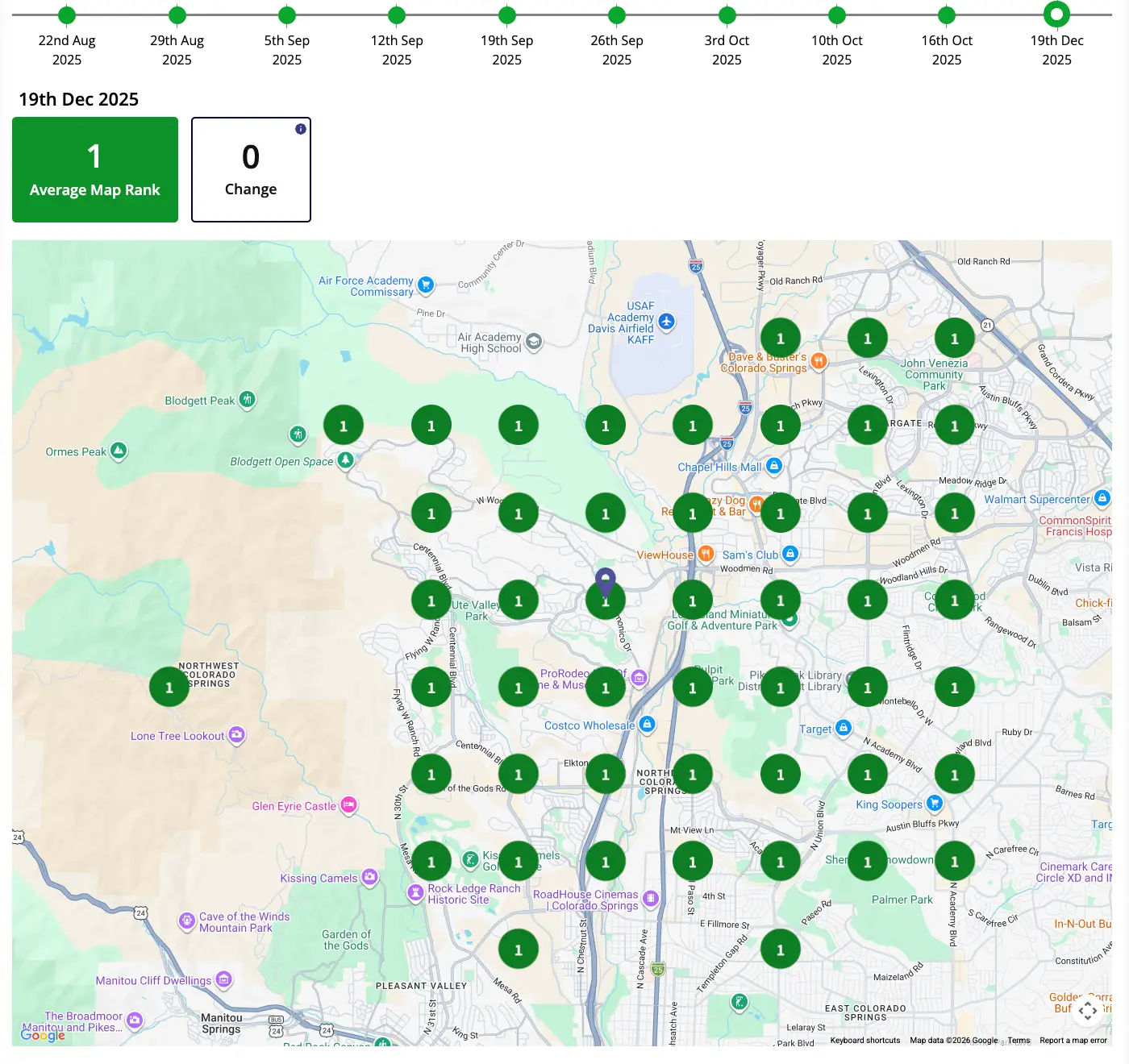
Map Pack visibility depends on entity consistency
When your business data is aligned across the local ecosystem, map rankings and local actions become easier to support.

We help businesses improve local rankings by cleaning up citations, strengthening Google Business Profile signals, refining business categories, and supporting the review and trust factors that influence calls, clicks, and direction requests.
When your business data is aligned across the local ecosystem, map rankings and local actions become easier to support.

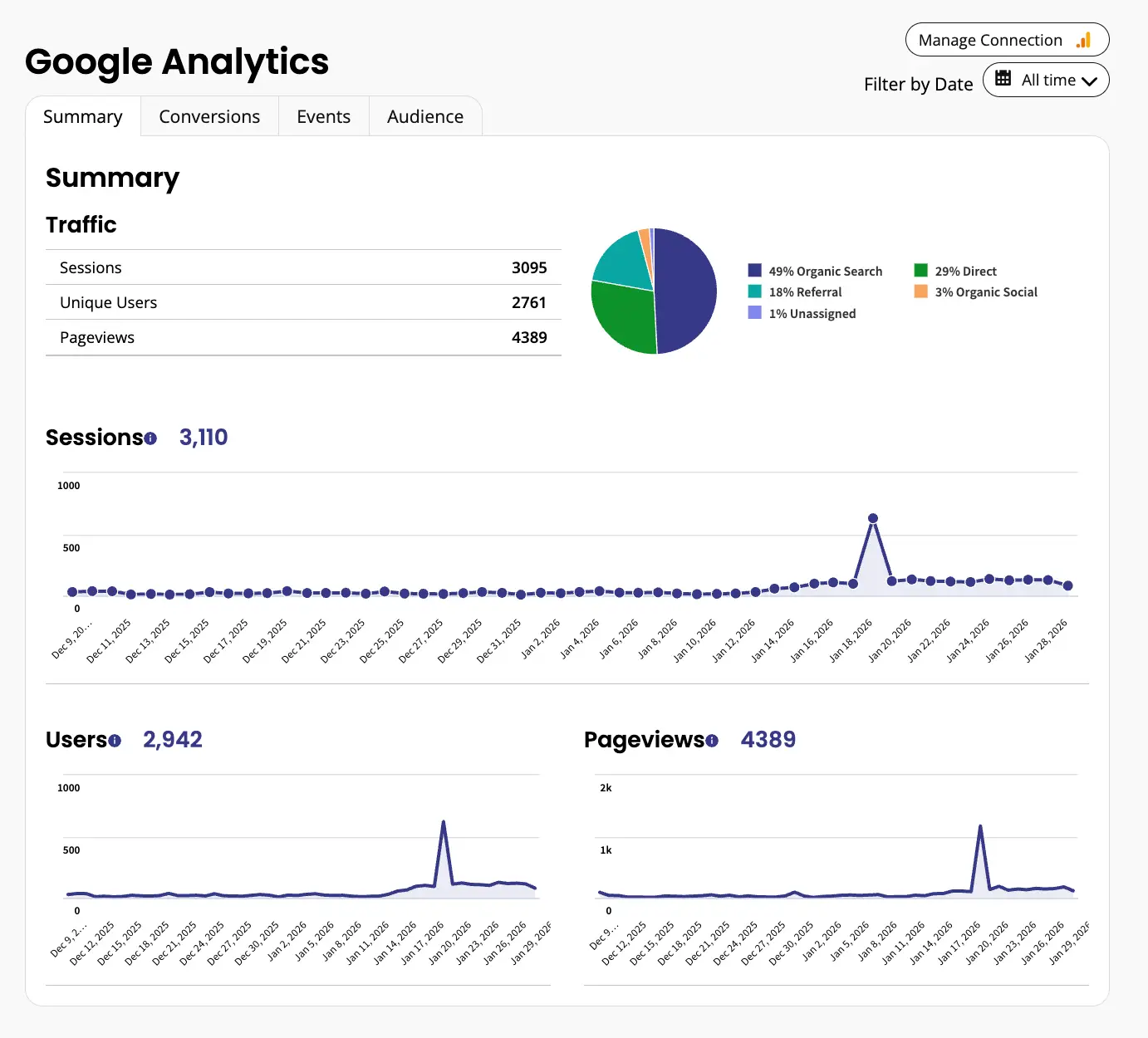
Local visibility should support calls, direction requests, and attributed lead activity rather than just profile coverage.

Google does not only assess your website. It also evaluates your business entity. If your business data is inconsistent across citations, maps, and profile ecosystems, you create duplication, split trust, poor pin accuracy, and weaker local relevance, which directly reduces map pack visibility and local actions.
Name, address, and phone differences across the web reduce trust and create confusion for search engines and map systems.
Duplicates split ranking signals and often cause wrong pins, wrong hours, or mismatched business details.
Missing services, poor category selection, and incomplete profile setup reduce local relevance and conversion potential.
This is built in three clear steps so your business data becomes more reliable, more visible, and easier for Google and map ecosystems to trust.
Request a Local Visibility Audit and we will identify duplicates, missing services, category issues, NAP inconsistencies, and coverage gaps across directories, maps, and GPS networks.
Learn which business details matter, how listing work is handled and what local search improvements can realistically achieve.
A local citation is a mention of a business’s identifying details, often its name, address and phone number, on a directory or another website. A citation may include a website link. The goal is accurate, useful information where customers are likely to look.
Use the real business name, correct phone number, appropriate address or service area, website and current opening hours. Consistency should reflect the actual business. Do not invent offices or add extra keywords to a business name to try to improve rankings.
No. Local results depend on factors including relevance, distance and prominence, and can vary with the searcher and query. Complete and accurate profile information is useful, but there is no way to buy or request a better organic local ranking from Google.
There is no universal target. Start with accurate major listings and relevant industry or local sources. A written scope should name the directories being reviewed and explain how duplicates, ownership and corrections will be handled. A large submission count is not a result by itself.
Eligibility depends on how the business operates and Google’s current rules. A business that travels to customers may qualify, while an online-only business generally does not. Review the relevant eligibility and address-display requirements before creating or changing a profile.
Use the platform’s owner or manager invitation options where available. Keep ownership under an account controlled by your business, and grant only the access needed for the agreed work. This makes access easier to review and remove when a project ends.
First identify whether the listings represent the same business, a former location or a different business. The available correction, merge or removal process depends on the platform and account access. Some changes require verification or review and cannot be completed instantly.
Track accurate listings and completed corrections alongside relevant profile interactions and qualified inquiries. Check the same locations and search terms when comparing visibility over time. Separate advertising activity from organic results so the reporting remains useful.
Information checked September 6, 2026. Sources: Google: Local ranking guidance · Optiseo: Contact.